
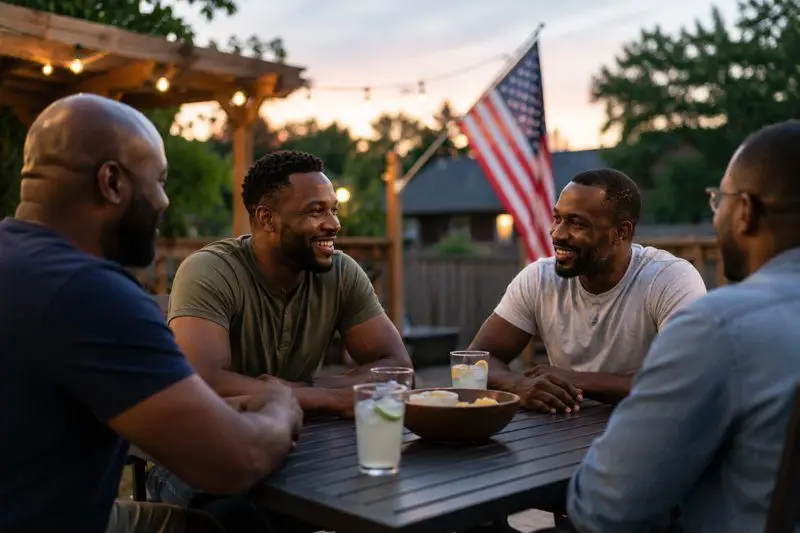
The 4th of July can feel complicated in recovery. On one hand, it is a day built around celebration, connection, and time with people you care about. On the other hand, it may come with alcohol, loose boundaries, and situations that can put your sobriety under pressure.
You've come a long way in your recovery journey. You've done the hard work in alcohol rehab. If you want to enjoy the day without compromising your recovery, here's our top tip: rally your support network.
A strong support network helps you stay grounded when the environment gets unpredictable. It gives you people to lean on before the day starts, while the event is happening, and after it ends. That support can lower your stress, strengthen your confidence, and help you make clear decisions.
Why You Need a Plan
Holiday events often bring extra energy, extra people, and fewer limits. You may be around friends or relatives who drink and assume everyone wants to celebrate the same way. Even if no one pressures you directly, the atmosphere itself can feel draining. Long days, late nights, and crowded gatherings can wear down your judgment faster than you expect.
The risk gets higher when you go in without a plan. If you tell yourself you will just "figure it out," you leave too much room for stress, awkwardness, or old habits to take over. Recovery usually holds stronger when you make an advance plan to protect it. And a big part of that plan centers on the people who will help you stay on your recovery path.
Choose the Right People
Not every friend or family member belongs in your support circle for a high-risk holiday. Some people mean well but do not understand recovery. Others may minimize your concerns, pressure you to relax, or assume one drink will not matter. A strong support network starts with people who respect your boundaries and take your sobriety seriously.
Think about who makes you feel calmer, more honest, and more grounded. These may be family members, sober friends, recovery peers, a sponsor, or a counselor from your women's support group for alcoholics.
You do not need a large group. You need reliable people who can support you in specific ways.
For example, you might assign a friend to:
- Text you before you walk into a party and/or halfway through the event
- Redirect conversations when they get uncomfortable
- Support you in your decision to leave a party early
Be direct about what you need. Specific support usually works better than general encouragement. Different people can play different roles. That is often more helpful than expecting one person to carry all of it.
Communicate Boundaries
Boundaries work best when you decide on them before the pressure hits. If you wait until you are already standing in a crowded backyard with a drink in your hand, your choices will feel harder. Clear boundaries reduce confusion because you already know what you will and will not do.
Your boundaries may include:
- Deciding which gatherings you will attend and which ones you will skip
- Driving yourself (or with a trusted friend) so you can leave when you want
- Bringing your own alcohol-free drinks
- Leaving if drug use or heavy intoxication becomes part of the environment
Your boundaries will get firmer if you communicate them in advance to those you trust. When you share your boundaries, you help your support circle understand the decisions you make and hold you accountable if you start to waver.
Prepare Mentally for the Situations You May Face
A strong support network works best when you pair it with mental preparation. Spend a few minutes thinking through what could be difficult. You may run into someone you used to drink or use with. You may get offered something directly. You may start feeling left out, tired, or emotionally flooded.
Preparation helps you respond without panic. You can decide in advance what you will say and what you will do. That might mean practicing a short answer such as, "I'm good with this," or "I'm keeping things simple today."
Seek Support After the Event
Support should not end when the fireworks do. A lot of people focus on getting through the event itself and forget that the hours after can matter too. You may feel tired, emotionally drained, or unexpectedly stirred up once you get home. A simple check-in afterward can help you process the day instead of carrying it alone.
Let your recovery peers know that you might call or text them after the event. When you talk through the events of the holiday with a trusted friend, it can help you clear your head and fine-tune your strategies for the next holiday.
Protect Your Freedom
The 4th of July is all about liberty for all, and your sobriety deserves to be part of that "all." You do not have to disappear from the holiday to stay safe. You do need support strong enough to help you move through it with intention. The right people, clear boundaries, and a simple plan can make the day feel far more manageable.
You are allowed to protect your recovery. You are allowed to leave early, say no, and celebrate differently than you used to. When your support network is in place, the holiday becomes easier to enjoy because you are no longer relying on yourself alone. You have a group of people cheering you on and helping you stay free from the shackles of addiction.