Addiction recovery asks a lot of you. You will need to let go of habits and substances that may be your primary coping mechanism. You may need to walk away from your life and start intensive recovery in a substance abuse treatment center. You may need to confront buried emotions and past trauma.
In a men's or women's addiction treatment center, there is 24/7 support staff. There are teams of counselors, healthcare professionals, and peers to help you. But at the end of the day, recovery is a personal journey. For that reason, many people find prayer to be the most important source of strength during recovery.
Read on to learn about the positive effects of prayer and how faith-based drug rehabs support you as you recover.
Prayer Creates Space for Healing
Addiction brings chaos. You live your life from one high to another, trying to avoid discomfort and chase temporary relief. When you strip substances away, it is difficult to adjust to your new life. That's why it's important to work moments of reflection and stillness into your daily routine. One of the easiest ways to do that is through prayer.
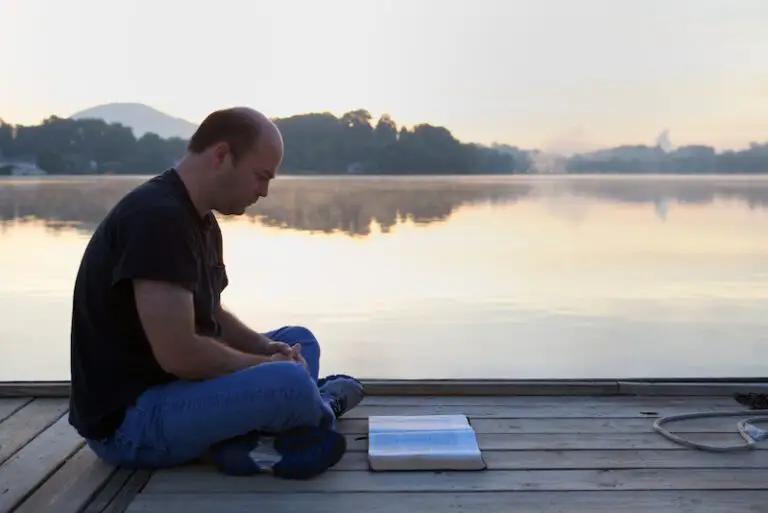
Whether it's a short prayer, an informal conversation with God, or a prayer of gratitude, prayer helps you pause and reconnect with something more stable than your current circumstances.
Many individuals entering recovery carry a heavy burden of guilt and shame. In prayer, you can acknowledge your past and then find freedom from your burdens. You can ask God for the ability to bear those burdens and be free of what weighs you down. Prayer allows you to bring your true feelings to the surface and begin the work of healing.
Prayer Strengthens You
Willpower alone is not enough to overcome addiction. You can't snap your fingers and "get over it." If it were that simple, hardly anyone would have an addiction. Addictions alter your brain chemistry and lead to physiological dependence.
For many people in faith-based recovery, prayer is a daily reminder that you do not have to carry your struggles alone. Recovery is rarely linear. There are difficult days, setbacks, and times when you feel stuck. You may struggle to coexist with urges or feel like a failure when you slip up. For every step of your recovery journey, prayer can make your challenges feel less overwhelming.
A simple prayer that consists only of the phrase, "Help me," can be enough to gather the strength to continue forward. Overcoming addiction is a big process, but prayer helps you enlist the help that will allow you to rise to the occasion.
Prayer Combats Isolation
When you are deep in addiction, your brain tricks you into isolation. You spend years hiding your struggles from loved ones. You think, "How could anyone understand what I'm going through?"
After you enter recovery, the desire to isolate can linger. This can happen for a few reasons. Maybe you find it difficult to connect with others after being alone for so long, or maybe you still carry shame about your actions.
Prayer helps break that cycle. God is there for you in the good times and the bad. He will never leave you. So if you feel alone, a prayer is the best way to feel the comfort of someone who loves you. Prayer assures you that you don't have to carry things alone. It allows you to connect with the divine and reminds you of your worth.
When you learn to rely on Him, it becomes easier to connect with others in everyday life. Slowly but surely, you'll learn to process your challenges with the guidance of God and your peers.
Prayer Helps You Grow Spiritually
Before your addiction, you were a whole person with a job, dreams, friends, and more. Recovery is about getting your life back and becoming the person God created you to be.
Prayer is central to that transformation. Through consistent prayer, you develop humility, gratitude, patience, and trust. You start to see trials through a different lens. You learn to depend less on your own understanding and more on God's guidance.
Spiritual growth rarely happens overnight. Like recovery itself, it develops through daily choices and consistent practice. Daily prayer is the perfect way to nurture a relationship with God and improve yourself.
Prayer Offers Long-lasting Hope
Prayer provides hope. Recovery is overwhelming. It turns your world on its head. At times, the work ahead will feel too large and the future too uncertain. Prayer brings you back to the present moment and reminds you that you don't have to do it all at once.
When cravings return, relationships turn toxic, or your progress slows, prayer can reassure you that these challenges are temporary. You've gotten over them before and can do it again. When you pray daily, it becomes a lifelong practice that provides peace and direction long after treatment ends.
How to Get Started
If you haven't established the practice of prayer, it might feel uncomfortable at first. To pray, you can sit, stand, kneel, or bow. Do whatever feels the most comfortable. Speak from the heart, but if you need a format to get you started, try this:
- Address God ("Father" or "Dear God" or "Almighty God")
- Express gratitude
- Confess your weakness
- Ask for help or forgiveness
- Close in the name of Jesus Christ
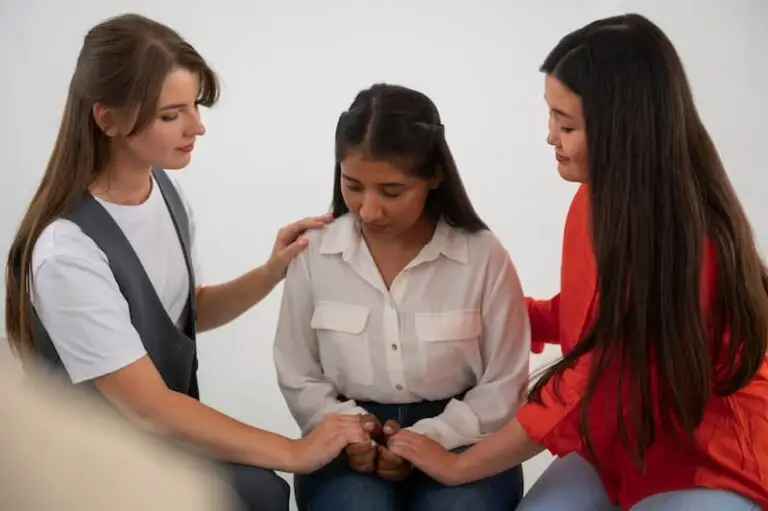
Another good way to get started is in your faith-based rehab center. There, you will practice group prayer. And when you pray with others, you can feel strengthened by the faithful community around you.
Center Your Recovery on Prayer
A strong recovery requires more than abstinence. It requires healing emotionally, mentally, physically, and spiritually.
Prayer helps you at every stage of your recovery. When you establish a consistent habit of prayer, you become more reliant on God, strengthen your relationships with others, and fortify yourself against temptation. Whether you pray in private or with others, you will be able to navigate your recovery with greater strength and hope.
If you or someone you love is seeking addiction support, look into our faith-based drug rehabs in Utah and Idaho. It's time to build a stronger relationship with God and let him lead you toward long-term sobriety.